When someone asks how many layers do you need for snowboarding, my honest answer after years of riding is three: a sweat-wicking base layer, an insulating mid layer, and a waterproof shell. That count flexes with temperature, wind, and how hard you ride, but three is the reliable starting point. I treat this as the core decision inside a complete ski jacket layering guide, because your jacket only works when the layers beneath it manage moisture and heat. On mild days I drop the mid; on bitter ones I add a packable puffy.
Table of Content
How Many Layers for Snowboarding Basics
The Three-Layer Formula Explained
The three-layer formula is not a rule carved in ice. A base layer moves sweat away from skin, a mid layer traps warmth, and a shell blocks wind and snow. I wear a thin merino crew when it is 30°F and a heavier synthetic when it is wet, because choosing between merino wool vs synthetic base layers changes how often you can rewear a piece and how cold you feel after a sweaty lift ride. That single choice matters more than adding a fourth bulky sweater.
If you ride aggressively, your body produces heat like a small furnace. Too much insulation makes you damp, and damp layers steal warmth once you sit on a chairlift. I start cold on purpose, then add a fleece vest at the summit if the wind picks up. That adjustment keeps my core dry and my hands warmer, because circulation stays steady instead of fighting trapped sweat.
When Two or Four Layers Make Sense
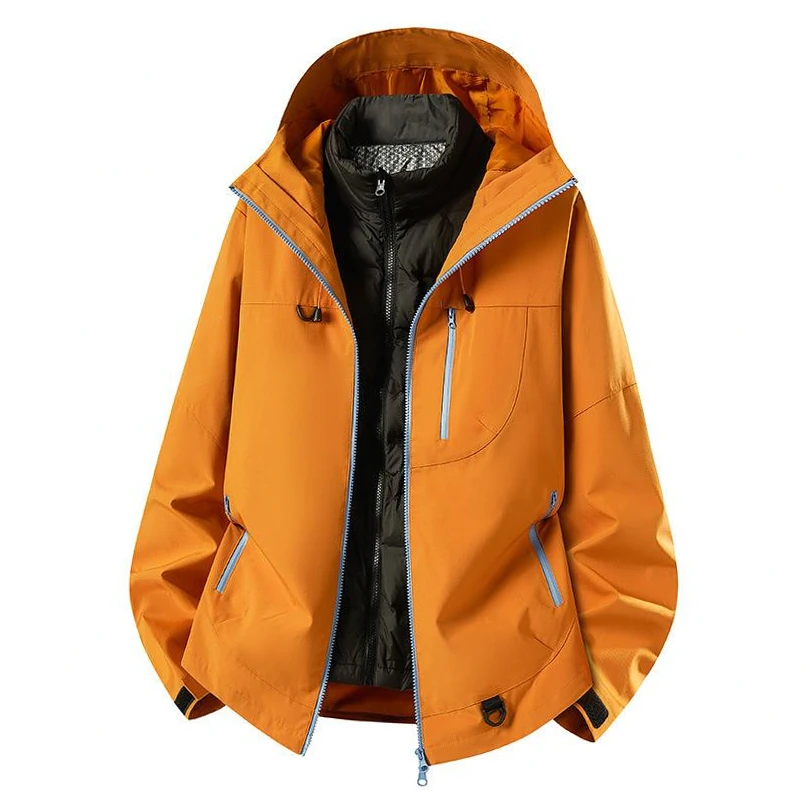
Two layers work for spring slush, indoor park sessions, or a warm rainy day when waterproofing matters more than warmth. Four layers make sense for sub-zero mornings, slow lift lines, and riders who chill easily. The trick is to change one layer at a time. If you jump from two to five, you cannot tell which piece caused overheating or a sudden chill, and you end up carrying unnecessary weight in your pockets.
I also separate upper and lower body counts. My legs run warmer, so I often wear one base layer plus shell pants while my torso has three. There is no prize for matching numbers. The right total is the one that keeps you dry while waiting, moving, and sitting on snow without shivering or sweating through your base layer.
Which Layers Match Your Snowboarding Conditions?
Cold, Warm, and Wet Day Adjustments
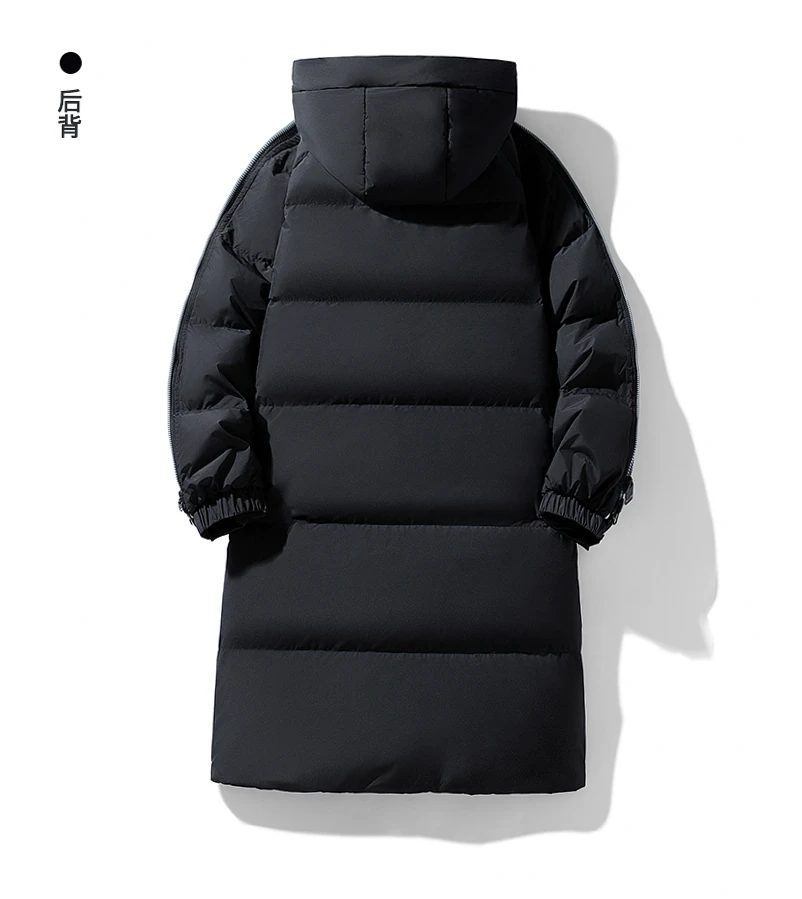
Temperature is the first filter, but wind and moisture decide the final count. A dry 25°F day with no wind can feel warmer than a wet 35°F day. I check the summit forecast, not just the base lodge. Then I pack a mid layer that stuffs into a pocket, because weather changes fast and a long traverse can expose you to wind that the resort never mentions.
For wet snow, I avoid cotton completely and choose synthetic insulation that keeps some warmth when damp. For dry cold, down works well if you keep it dry under a shell. The layer count stays similar, but the material choice changes how comfortable you stay when clouds roll in and the temperature drops five degrees in an hour.
Resort Riding vs Backcountry Effort
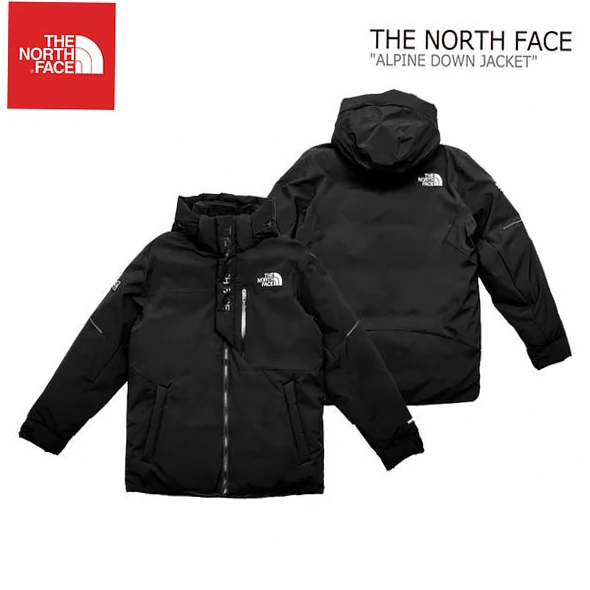
Resort riders stop, sit, and wait, so they usually need one more insulating layer than backcountry riders doing the same temperature. Backcountry riders climb, sweat, and strip layers before descending. I have toured in two layers while friends at the resort wore four. Your effort level is a layer control, just like a zipper vent. If you are unsure, carry the extra layer rather than wearing it.
| Riding condition | Base layer | Mid layer | Shell | Total layers |
|---|---|---|---|---|
| Mild spring, 35-45°F | Thin synthetic or merino | None or fleece vest | Uninsulated shell | 2 |
| Typical resort, 20-35°F | Midweight merino | Fleece or light puffy | Shell | 3 |
| Cold, -5-20°F | Heavyweight merino | Fleece plus puffy | Insulated shell | 4 |
| Backcountry high output | Thin merino | Light fleece only | Breathable shell | 2-3 |
| Lift-served extreme cold | Midweight plus liner | Down puffy | Insulated shell | 4-5 |
Why Do Snowboarders Argue About Layer Count?
Official Advice vs Real Riders
Product labels often suggest a simple two-layer system, while experienced riders report needing a third layer on cold chairlift rides. The disagreement is not about who is right; it is about where you ride and how you run hot or cold. A shell and base layer can be perfect for vigorous hiking, yet miserable on a slow, windy lift. That gap between marketing claims and real comfort is why packing an extra mid layer remains common advice.
Many riders also debate whether one base layer can last multiple days. Merino resists odor, but sweat, body oils, and repeated use still reduce warmth. Some riders happily rewear a base layer twice on a short trip; others pack one per riding day. Neither choice is wrong if you manage moisture and laundry. The only real mistake is wearing a damp base layer again and expecting it to keep you warm.

The Laundry and Trip Length Factor
Trip length changes the layer count question more than most people admit. A weekend trip may need three base layers total, while a ten-day trip with no laundry can require six or more. I check accommodation washer access before I pack. If laundry is unavailable, I bring fewer mid layers and more base layers, because base layers touch skin and get dirtier faster. Socks follow the same logic, with at least one pair per day.
| Claim | What labels suggest | What riders report | Practical takeaway |
|---|---|---|---|
| More layers equal more warmth | Thicker mid layers improve comfort | Too many layers trap sweat and cause chills | Add breathability before bulk |
| Merino can be worn many days | Odor-resistant fabric reduces laundry | One base layer per sweaty day is often preferred | Pack two or plan laundry |
| Shell plus base is enough | Two layers work for active riders | Cold lift rides demand a mid layer | Carry a packable mid layer |
| Insulated jacket replaces mid layers | One jacket handles all conditions | Versatile riders prefer shell and mid layers | Build range through separate pieces |
What Mistakes Make Snowboard Layers Fail?
Cotton, Sweat, and Breathability
Cotton is the classic mistake. It holds sweat against your skin, then freezes when you slow down. I learned this the hard way during a wet spring day when a cotton hoodie felt fine on the lift but turned icy on the ride down. Synthetic or wool base layers dry faster and move moisture into the mid layer, where it can escape through a breathable shell. Without breathability, even expensive layers fail.
Another hidden issue is over-dressing at the car. If you are warm before your first run, you will overheat on the way to the lift. I start slightly cool and let my body warm the layers as I move. Zipper vents, pit zips, and a hood adjustment are active layer controls. They let you dump heat without removing a layer and exposing your skin to wind.
Overpacking and Cold Feet
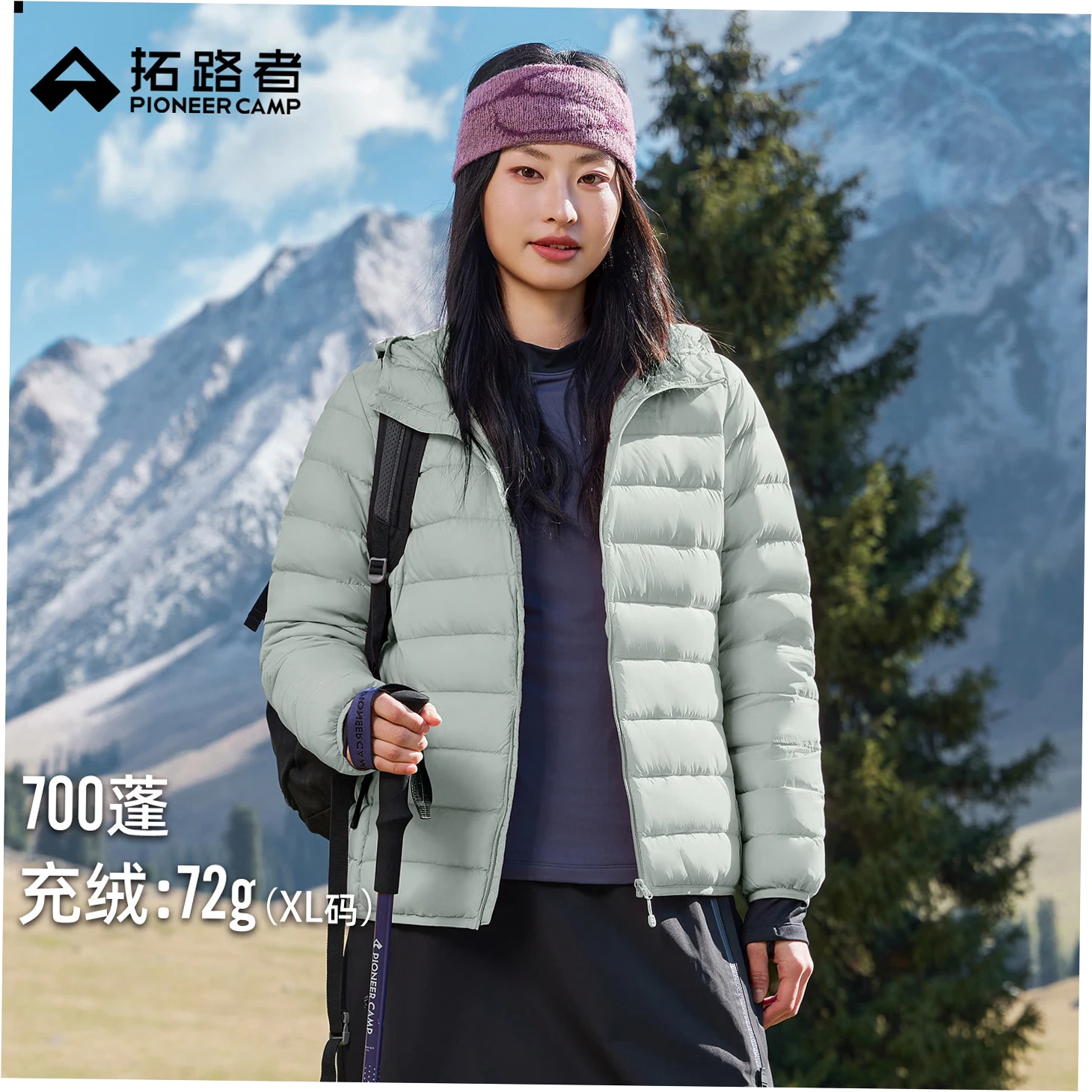
Cold feet rarely come from too few socks. Tight boots, damp socks, and restricted circulation are more common culprits. I wear one thin snowboard sock per day, not three. Extra socks compress insulation and cut blood flow. The same principle applies to gloves: bulky liners can squeeze fingers and reduce warmth. Keep hands and feet dry, and your core layer count becomes easier to manage.
| Mistake | Why it fails | Fix |
|---|---|---|
| Cotton base layer | Stays wet and chills skin | Use merino or synthetic |
| Too many mid layers | Traps sweat and causes post-lunch freeze | Start with less, add at breaks |
| Tight boots or thick socks | Restricts circulation and cold toes | One thin snowboard sock |
| No spare gloves | Wet hands end the day early | Pack a second pair |
| Ignoring laundry access | Dirty layers smell and lose loft | Check washer or pack extra base layers |
Packing Snowboard Layers for a Trip
Three-Day, Five-Day, and Ten-Day Setups
For a three-day trip, I pack three base layers, one mid layer, one puffy, and one shell. For five days with laundry access, I bring four base layers because I can wash mid-trip. For ten days without laundry, I bring six base layers, two mid layers, and one shell, then rewear the shell daily if it stays dry. These counts assume you hang layers to dry overnight and never stuff damp gear into a bag.
Socks and gloves need separate counting. I bring one sock pair per riding day plus one spare, and two glove pairs because hands get wet from snow, ropes, and adjusting bindings. Base layers are the pieces I never compromise on, since they sit against skin. Mid layers can be reworn more often if they stay dry and do not collect odor. Shells get wiped down and hung, not washed every night.
Decision Path for Buying Layers
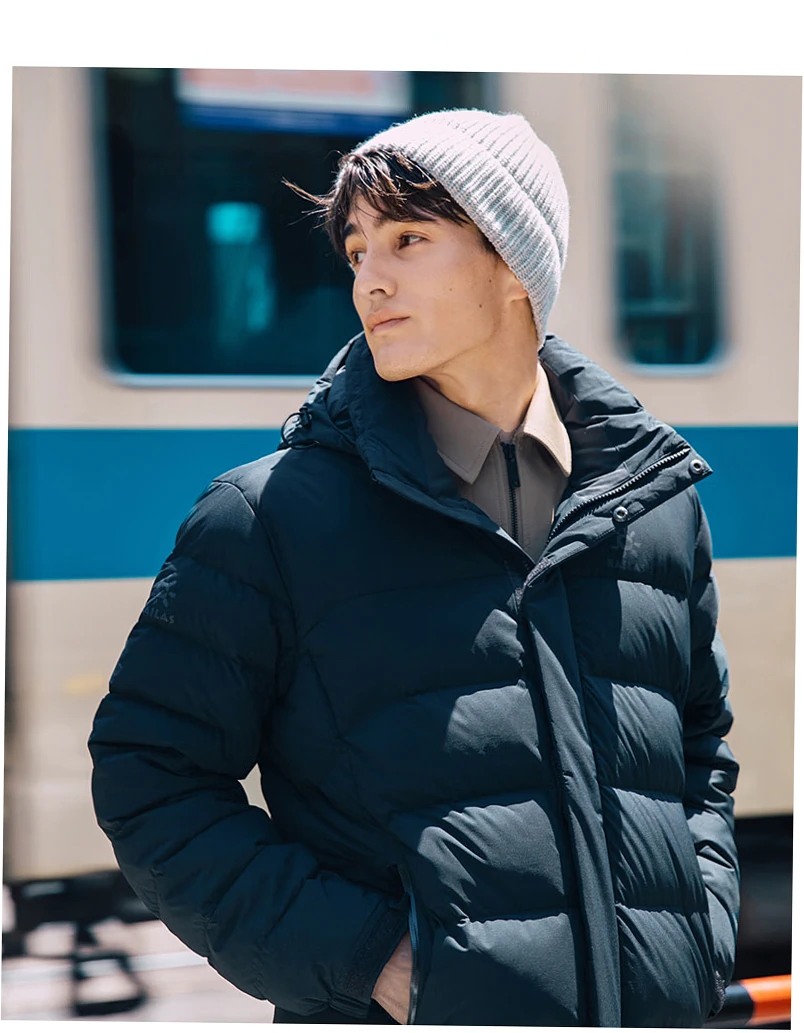
When buying, start with a base layer that fits close without restricting movement. Add a mid layer that fits under your shell without compressing insulation. Then choose a shell that blocks wind and snow while still venting. If you ride mostly in cold, dry conditions, invest in a warmer mid layer. If you ride wet, coastal snow, prioritize waterproofing and synthetic insulation. This order prevents buying duplicates and keeps your total layer count flexible.
Recent gear trends favor PFAS-free water repellents, recycled synthetic fills, and merino blends that dry faster than pure wool. These changes matter because a shell that wets out feels colder, no matter how many layers you wear. I also look for pit zips, wrist gaiters, and helmet-compatible hoods. Those features let me manage heat without changing my layer count on the hill.
Dial In Your Snowboarding Layers Today
Start with three layers, then adjust one piece at a time based on temperature, wind, and effort. Pack a spare base layer and a packable mid layer before you leave, especially for long lift lines or changing weather. If you need personalized help, our gear team is available through chat and email to review your setup. Keep a simple log of what you wore and how you felt; after three or four rides, your personal layer count becomes obvious.
FAQ: Snowboard Layer Count Questions
Is three layers enough for snowboarding in freezing weather?
Three layers can be enough if each layer performs its job. A midweight base layer, fleece or light puffy mid layer, and waterproof shell handle many freezing resort days. If you sit on slow lifts or run cold, add a fourth insulating layer. If you hike or ride hard, three may be too many because you will sweat. Adjust with vents first, then add or remove a layer.
Should I wear two base layers snowboarding?
Two base layers are usually unnecessary and can restrict movement. If you are very cold, a thicker base layer or a better mid layer works better than stacking two thin base layers. Two base layers can also trap sweat, which makes you colder later. For extreme cold, add insulation in the mid layer where it is easier to remove when you warm up.
How many base layers for a seven-day snowboard trip?
For a seven-day trip, pack four to six base layers depending on laundry access and how much you sweat. With a washer, four is often enough because you can wash mid-trip. Without laundry, bring six or plan to hand-wash. Merino resists odor, but it still needs to dry fully between uses. Damp base layers ruin warmth faster than missing a mid layer.
Do I need a mid layer if my jacket is insulated?
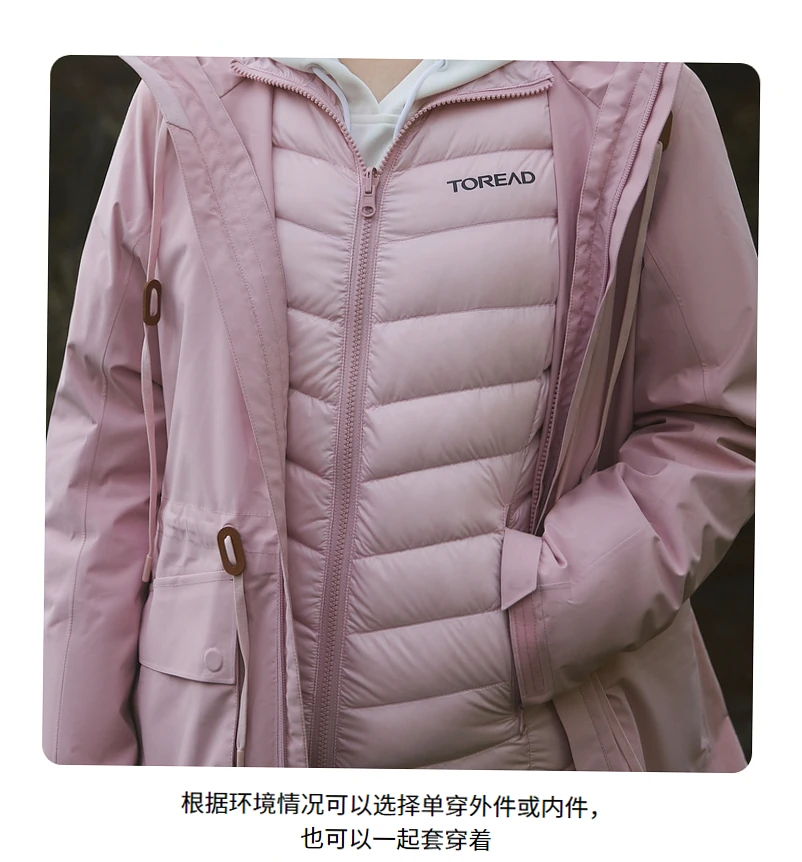
Often no, but it depends on the jacket and the weather. An insulated jacket may replace a mid layer on mild days. On very cold days, a thin mid layer under an insulated jacket can help, but it can also cause overheating. I prefer a shell plus separate mid layers because I can change insulation without buying another jacket. That system covers more conditions with fewer items.
What is the biggest layering mistake for snowboarding?
Wearing cotton next to skin is the biggest mistake. Cotton holds sweat, then freezes and pulls heat away from your body. The second mistake is dressing too warmly before you start moving. I start slightly cool and add a layer when I feel a chill on the lift. That approach keeps sweat low and makes the layer count easier to manage all day.
Can I snowboard with just a base layer and shell?
Yes, if you run hot, ride aggressively, or the weather is mild. A base layer and shell work well for spring riding, rainy days, or uphill travel. However, you should still carry a packable mid layer in your backpack. Weather changes quickly in the mountains, and a cold lift ride or sudden wind can turn a comfortable two-layer setup into a shivering experience.
How do I know if I have too many layers?
You have too many layers if you sweat on the lift or feel damp when you stop. Sweat is the warning sign, not warmth. Take off a mid layer before you overheat, and open vents to release steam. If your base layer feels wet at lunch, you are overdressed or wearing the wrong fabric. The goal is dry comfort, not maximum bulk.
Recommended reading: manufacturer care labels, resort summit forecasts, and avalanche center reports for backcountry days. These sources help you match layer count to real conditions rather than guesswork. For gear support, contact our customer service team by chat or email before your next trip.


Leave a Reply