After a decade of skiing in everything from Vermont ice to Utah powder, I can tell you that what to wear under a ski jacket comes down to one rule: start with a moisture-wicking base layer, add a breathable mid layer only when needed, and let your shell block the wind. Most skiers overthink this. They pack four layers, then sweat on the lift and freeze on the ride down. The real goal is staying dry and regulating heat, not piling on insulation.
Table of Content
- What to Wear Under a Ski Jacket
- Which Base Layer Material Works Best?
- Down vs Fleece: Best Ski Mid Layers
- How to Choose a Ski Shell Layer
- Dressing for Cold and Warm Ski Days
- Layering Mistakes That Ruin Ski Comfort
- Apres-Ski and Resort Town Essentials
- Make Your Layering System Work for You
- FAQ About what to wear under a ski jacket
What to Wear Under a Ski Jacket
The Three-Layer System Explained
Think of your ski clothing as a three-part machine. The base layer moves sweat away from your skin, the mid layer traps warmth, and the outer shell stops wind and snow. No single piece does everything. If you get the system right, you can ski comfortably at 10°F and 40°F with the same shell by swapping what sits underneath.
Your first decision is the base layer material, and the debate between merino wool vs synthetic base layers matters more than brand names. Merino feels softer and resists odor, while synthetics dry faster and cost less. Both work. Cotton does not. It soaks up sweat, then turns into a cold, heavy sponge against your skin.

Base, Mid, and Shell Roles
Each layer has a job. The base layer should fit snug but not tight, with flat seams and no cotton. The mid layer adds insulation and should be easy to remove when you heat up. The shell blocks weather and vents excess heat. Together they create a flexible system you can adjust on the chairlift without going back to your car.
| Layer | Primary Job | Best Materials | What to Avoid |
|---|---|---|---|
| Base layer | Wick moisture | Merino wool, polyester | Cotton |
| Mid layer | Trap heat | Fleece, down, synthetic fill | Heavy cotton hoodies |
| Shell | Block wind and snow | Gore-Tex, nylon, softshell | Non-breathable rain jackets |
Which Base Layer Material Works Best?
Merino Wool vs Synthetic Fabrics
I have skied in both merino and synthetic base layers for years. Merino wins on multi-day trips because it does not stink after one run. Synthetic wins on wet, heavy days because it dries in minutes. If you sweat heavily or ski in a rainy climate, bring synthetic. If you want comfort and odor control, bring merino. The table below compares the tradeoffs.
| Factor | Merino Wool | Synthetic |
|---|---|---|
| Moisture management | Good, but slower to dry | Excellent, dries fast |
| Odor resistance | Very high | Low to moderate |
| Cost | Higher | Lower |
| Durability | Moderate | High |
| Best for | Cold, multi-day trips | Wet, high-sweat days |
Fit and Weight Matter
A base layer that is too loose cannot wick, and one that is too tight restricts movement. Look for a slim fit with a little stretch. For weight, choose light for spring, midweight for most winter days, and heavyweight only for extreme cold. I keep two weights in my bag and decide at the trailhead based on the forecast.
Down vs Fleece: Best Ski Mid Layers
Fleece, Down, and Synthetic Fill
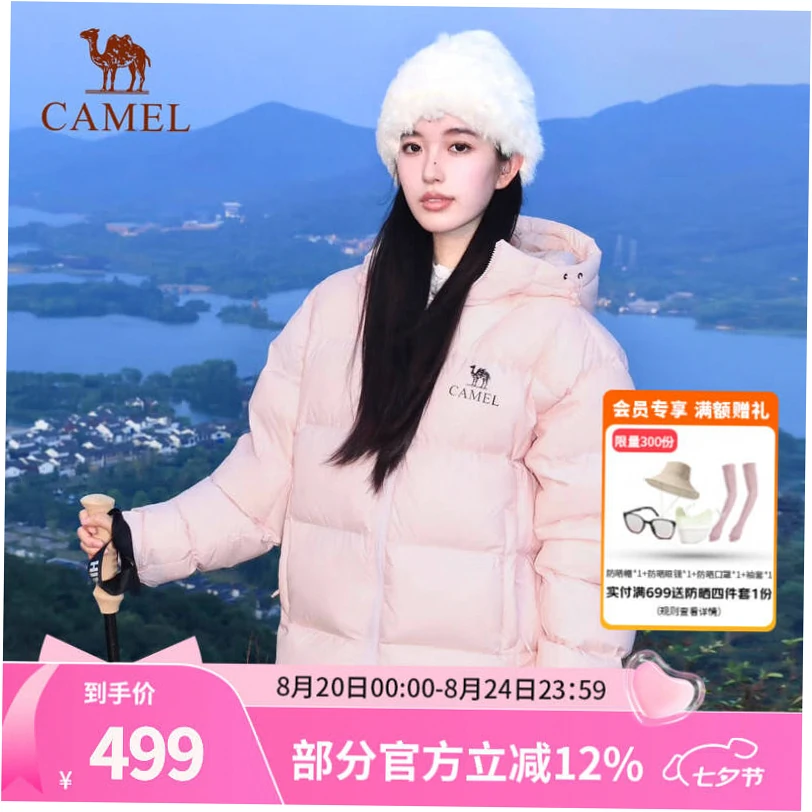
Mid layers are where most skiers get confused. Fleece is breathable, cheap, and forgiving when you sweat. Down is warmer for its weight but loses insulation when wet. Synthetic fill splits the difference and keeps working in damp conditions. For a resort day with lifts, I usually grab a thin fleece or a light synthetic pullover because I can dump heat quickly.
Should You Wear a Down Jacket Under a Shell?
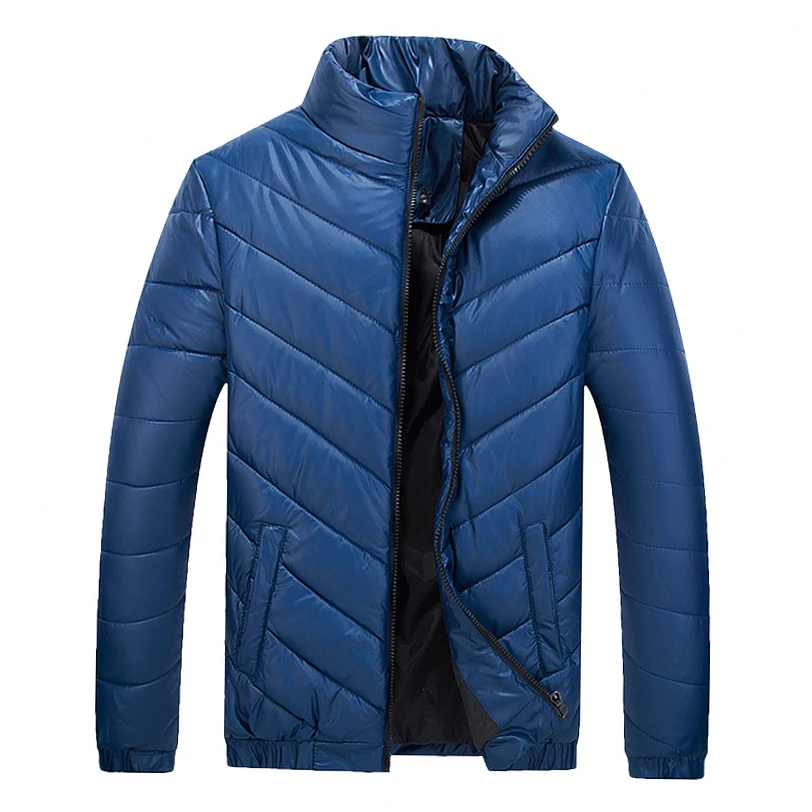
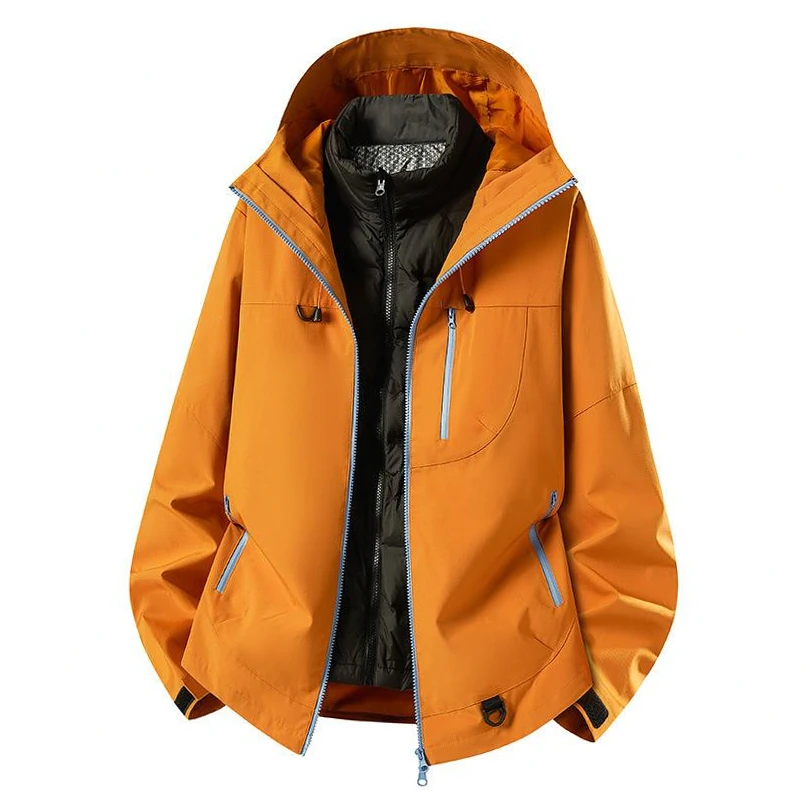
Yes, but only when it is very cold. A down mid layer under a ski shell adds serious warmth, but it also traps heat fast. I reserve that setup for single-digit mornings or lift-served days with long stops. If you run hot, a fleece is the safer bet. For a deeper breakdown, see down mid layers under ski shells.
Can a Regular Down Jacket Work for Skiing?
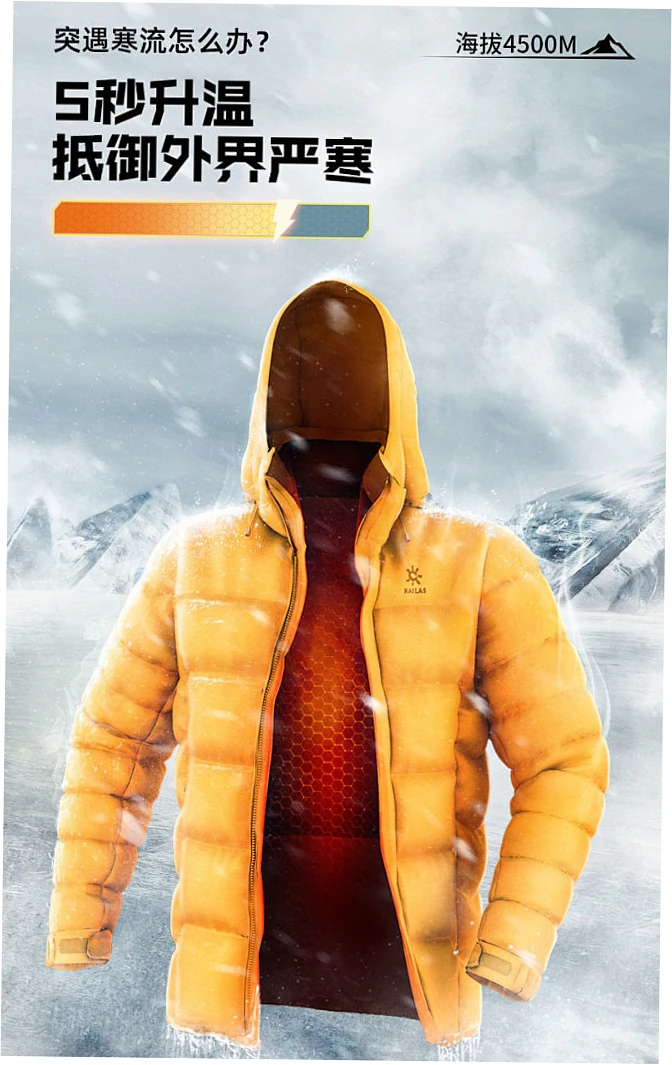
You can wear a regular down jacket for skiing, but it is usually the wrong tool unless you add a shell. Down is not waterproof, and a puffy jacket will soak through in wet snow. It also overheats on active runs. If you already own one, treat it as a mid layer under a hard shell. For the full pros and cons, read about regular down jackets for skiing.
How to Choose a Ski Shell Layer
Hard Shell vs Soft Shell
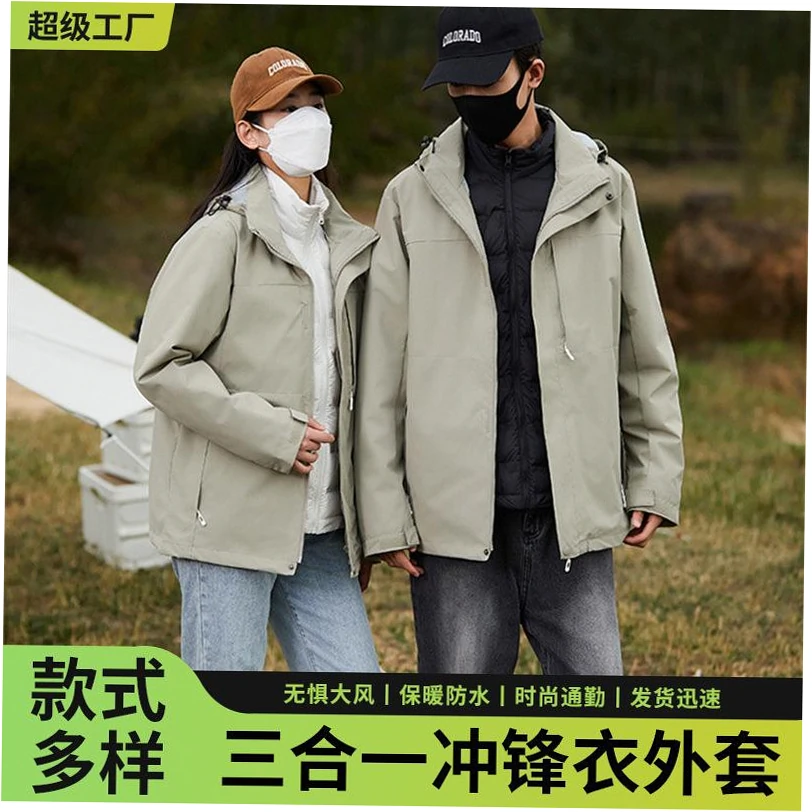
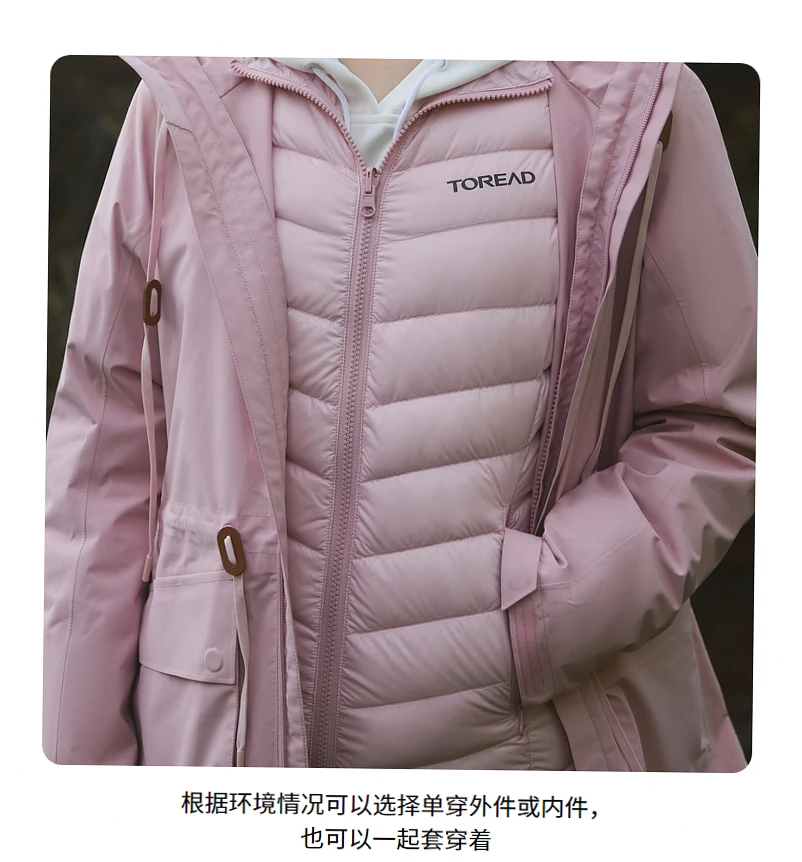
Your outer layer decides how much weather you can handle. Hard shells block wind, rain, and wet snow, and they breathe well when you pay for quality. Soft shells stretch, feel quieter, and work great on dry, mild days. I own both. For storm days I grab the hard shell. For sunny spring laps I grab the soft shell and leave the insulation at home.
What Does a Powder Skirt Do?
A powder skirt is a stretchy panel inside the jacket hem that seals around your waist. It keeps snow from shooting up your back when you fall in deep snow. If you ski powder, it is worth having. If you only ski groomers, you can ignore it. Here is a clear explanation of a powder skirt on a jacket.
Packing the Right Jacket for a Ski Trip
Packing for a ski trip is not the same as packing for a weekend city break. You need one shell, one mid layer, and one base layer per ski day, plus something warm for the evening. If you are flying, wear your bulkiest jacket on the plane. The guide to what jacket to pack covers the rest.
Dressing for Cold and Warm Ski Days
How to Dress for Skiing in 10-Degree Weather
At 10°F, I wear a midweight merino base layer, a fleece mid layer, and an insulated shell. I also add a balaclava, thick mittens, and hand warmers. The mistake is wearing a heavyweight base layer plus a puffy plus a thick shell. You will sweat on the first run and freeze on the lift. For a specific 10-degree plan, see dressing for skiing in 10-degree weather.
Spring Skiing and Overheating
Spring skiing flips the system. I often wear only a light synthetic T-shirt under a soft shell. If the snow is slushy and the sun is out, I skip the mid layer entirely. The key is to start cold on the first run. You will warm up fast once you start turning. If you overdress at 40°F, you will be miserable by 11 a.m.
| Topic | Official Recommendation | Real-World Experience |
|---|---|---|
| Insulated jacket alone | Wear a base layer plus insulated jacket for most winter days | Many skiers overheat and switch to shell-only above 25°F |
| Down mid layer | Great for extreme cold | Often too hot for active resort skiing; better for lift lines |
| Base layer thickness | Heavier for colder days | Personal sweat rate matters more than temperature alone |
| Soft shell vs hard shell | Hard shell for all conditions | Soft shell preferred for dry, mild days by many locals |
Layering Mistakes That Ruin Ski Comfort
Cotton and Other Common Errors
The biggest mistake is wearing cotton anywhere near your skin. Cotton holds sweat, then chills you on the chairlift. Other errors include wearing too many layers from the start, ignoring wind chill, and forgetting to vent your shell. I once wore a cotton hoodie under my jacket on a 20°F day and regretted it by lunch. Stick to wool or synthetics only.
Overheating vs Underheating
Overheating is more common than freezing. When you sweat, your base layer gets damp, and then the ride up the lift feels frigid. The fix is to start slightly cold and add layers as needed. Underheating is dangerous, but it usually happens from poor planning, not from lack of expensive gear. Check the forecast, wind, and your own activity level before you dress.
When an Insulated Ski Jacket Is Enough
An insulated ski jacket can be enough on its own for many resort days, especially if you run warm. I wear one with just a thin base layer down to about 20°F. Below that, I add a fleece. The question of whether insulated ski jackets for everyday wear are warm enough depends on your metabolism and the wind. For most people, yes, with the right base layer.
Apres-Ski and Resort Town Essentials
What to Wear Apres Ski in Winter
After skiing, you want to change out of damp base layers fast. I usually swap into a dry sweater, jeans or warm pants, and waterproof boots. The goal is to look put-together without freezing on the walk to dinner. If you are unsure what works, these apres ski winter outfits cover the basics.
Boots for Ski Resort Towns
Resort town sidewalks are often icy, slushy, and salty. You need boots with traction and waterproofing, not fashion sneakers. I learned this after slipping in sneakers while carrying skis. A pair of insulated leather or synthetic boots works for almost everything. For options that handle both slush and dinner, see boots for ski resort towns.
Apres Ski Style for Beginners
Apres-ski style is casual but intentional. Think layers you can remove indoors, like a merino sweater over a T-shirt, plus jeans and clean boots. Avoid wearing your ski jacket inside a crowded bar; you will overheat instantly. If you want a simple starting point, this apres ski style for beginners guide is useful.
Make Your Layering System Work for You
Your best layering system is the one you can adjust without stopping. Start with a moisture-wicking base, add a mid layer only when you feel a chill, and trust your shell to handle the weather. Test your setup on a short lift ride before committing to a full day. Keep a dry base layer in your car or locker for the ride home. Experience beats any gear list.
FAQ About what to wear under a ski jacket
Do I really need a mid layer under a ski jacket?
Not always. On mild days above 30°F, many skiers wear only a base layer and an insulated jacket or shell. Add a mid layer when the temperature drops below 20°F, when you stop often, or when you run cold. The right answer depends on your activity level and the wind.
Can I wear a cotton T-shirt under my ski jacket?
No. Cotton absorbs sweat and dries slowly, which makes you cold. Use merino wool or a synthetic fabric instead. Even a cheap polyester T-shirt performs better than cotton. This is one of the few absolute rules in ski layering.
Is a down jacket better than fleece for skiing?
It depends on conditions. Down is warmer per ounce but fails when wet. Fleece breathes better and works while damp. For resort skiing, fleece or synthetic fill is usually more versatile. For extremely cold, dry days, down under a shell is excellent.
How many layers should I wear under a ski jacket?
Most people need two or three: a base layer, sometimes a mid layer, and the jacket itself. Start with two and add a mid layer if you feel cold on the lift. Wearing four or five layers usually leads to overheating and restricted movement.
What is the biggest mistake in ski layering?
The biggest mistake is dressing too warm before you start moving. You will sweat on the first run, then freeze on the chairlift. Start slightly cool and adjust. never wear cotton. Both mistakes are easy to fix once you know them.
Can I use my regular winter clothes under a ski jacket?
Some pieces work, but most everyday winter clothes are cotton or bulky. A thin wool sweater can work as a mid layer, but a cotton hoodie will not. Waterproof pants and a proper shell matter more than brand names. Test your closet options on a cold walk before your trip.
How do I stay warm without overheating on a ski lift?
Use vents. Open your pit zips, unzip your jacket, and remove your mid layer before you get on the lift if you feel warm. On the ride up, close everything. If you are still cold, add a thin fleece or a warmer base layer. Adjusting often is normal.
Leave a Reply