I plan how to dress for skiing in 10 degree weather the same way every January, and I will give you the verdict first: assume Fahrenheit, because 10°F is roughly -12°C, and that single number rewrites every choice you make. My answer is a three-layer system — merino against the skin, a warm mid layer, and a windproof shell. Nail the layering under a ski jacket and 10 degrees feels crisp, not cruel.
Table of Content
How to Layer in 10 Degree Weather
Start With a Merino Wool Base Layer
Your base layer manages sweat, and at 10°F that job is critical: moisture trapped against the skin becomes a personal cooling system. Merino wool or a quality synthetic moves perspiration outward while holding a thin veil of warm air. Cotton is the one fabric I leave at home — it soaks up sweat and stays wet and cold. Snug, not tight, is the fit you want.
Doubling up on wool base layers is a legitimate move in deep cold, especially for anyone who runs cold. Regulars through New England and the Rockies often wear two merino layers before adding insulation, and the payoff shows on the chairlift, exactly where you start losing heat while sitting still. If you own only synthetics, that works too — prioritize wicking over thickness.
Mid Layers That Trap Warm Air
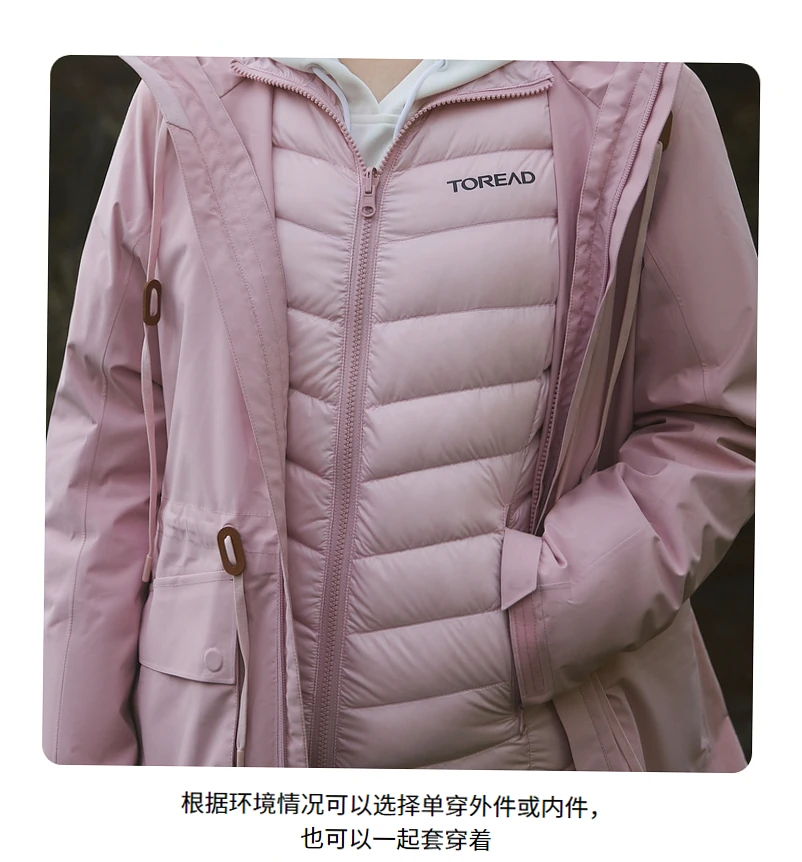
Mid layers exist to create pockets of warm air, and at 10°F I want two options: a fleece for aggressive laps and a light down jacket for the slow, standing-around parts of the day. Fleece breathes better when you are working hard; down packs more warmth per ounce when you are idle. Match insulation to output, because skiing generates serious heat.
Sweating is the real enemy here. If your back is damp after a run, you wore too much insulation. A vest is a clever compromise — warm core, ventilated arms — and it lets you dump heat quickly when the sun hits a south-facing slope. I add or shed a layer every couple of runs rather than committing to one setup all day.

The Shell That Blocks the Wind
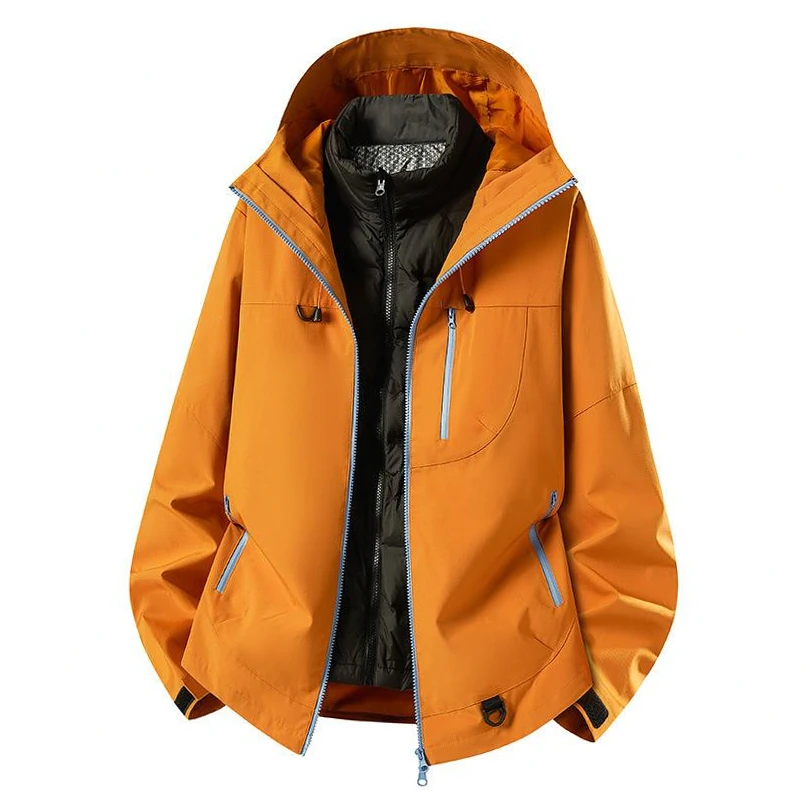
Wind is what makes 10°F feel vicious, and a shell jacket plus shell pants cut it. Dedicated ski pants with windproof front panels earn their price in exactly this weather. Look for taped seams, a hood that fits over your helmet, and pit zips you can open on the climb. A hard shell over down is my go-to combination.
The shell also keeps snow and spindrift off your insulation. Without it, wet down loses loft and quietly stops working, which is how people end up cold despite wearing expensive gear. I treat the shell as the outer boundary of the entire system, not a style choice, and I check the vents before every cold morning. Small detail, large comfort difference.

Best vs Worst Gear at 10 Degrees
Down Versus Fleece on Frigid Days
Fleece is for warmer temperatures; down is for genuine cold. That is the consensus among people who ski Norway and Colorado through most of January. A light down jacket worn under the shell outperforms a bulky fleece at 10°F because down traps more heat with less bulk, preserving mobility. Keep it dry and avoid crushing it under a tight pack.
Down does have limits worth naming honestly. If you sweat heavily, or you ski wet coastal snow, a synthetic mid layer holds warmth better when damp, even though it is heavier and bulkier. Both approaches work — the deciding factor is how much moisture you generate and how wet your local snow tends to be.
| Mid Layer | Warmth per Ounce | Performance When Damp | Best For |
|---|---|---|---|
| Down | Highest | Poor | Idle laps, dry cold |
| Fleece | Moderate | Good | High-output skiing |
| Synthetic fill | High | Best | Wet snow, heavy sweaters |
Mittens, Gloves, and the Extremity Problem
Mittens beat gloves in the cold because fingers share warmth instead of losing it individually. My system is a thin silk or liner glove next to the skin, then a wool-lined leather mitten over it. Hand warmers add cheap insurance. Feet deserve the same logic: toe warmers, warm boots to start, and thinner socks — not thicker ones, because a cramped foot cannot circulate blood properly.
Gear Claims vs Real Cold-Day Experience
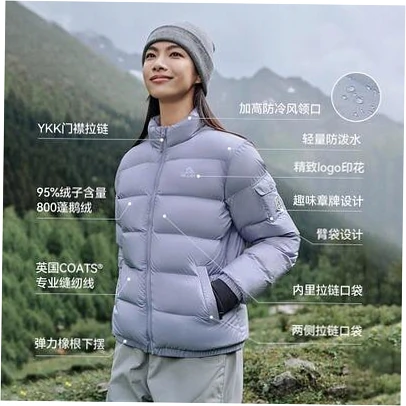
Catalogs promise comfort at absurd temperatures, yet experienced skiers keep reporting the same gap between promise and reality. The table below compares what product labels claim with what actually keeps people warm and moving on a brutal day. Read it as field notes rather than gospel, because individual bodies, altitudes, and wind exposure vary enormously.
| Topic | Standard Recommendation | Real-World Experience |
|---|---|---|
| Base layers | One technical layer is enough | Many double up on merino below 15°F |
| Hands | Insulated gloves handle most cold | Mittens plus liners win below 15°F |
| Socks | Thicker socks equal warmer feet | Thinner socks with warm boots circulate better |
| Breaks | Ski straight through the cold | Three runs, then a ten-minute lodge stop |
| Jacket | One warm jacket covers everything | A down layer under a shell is indispensable |
Which Body Parts Freeze First in Cold
Hands, Feet, and the Circulation Trap
Extremities freeze first because your body sacrifices them to protect the core, and at 10°F that reflex is strong. Cold hands and feet usually signal restricted circulation rather than insufficient insulation, so fix the cause: loosen your boot buckles, remove anything tight at the wrist, and keep moving. Warming your core often warms your fingers faster than adding another glove.
Heated socks, boot heaters, battery-powered vests, and heated mittens are no longer novelty items — they are legitimate tools for people who get cold easily or ski New England regularly. Treat them as an investment in staying out longer and safer, not as a gimmick. For some skiers, they make the difference between quitting early and enjoying a full day.
Face, Nose, and Exposed Skin
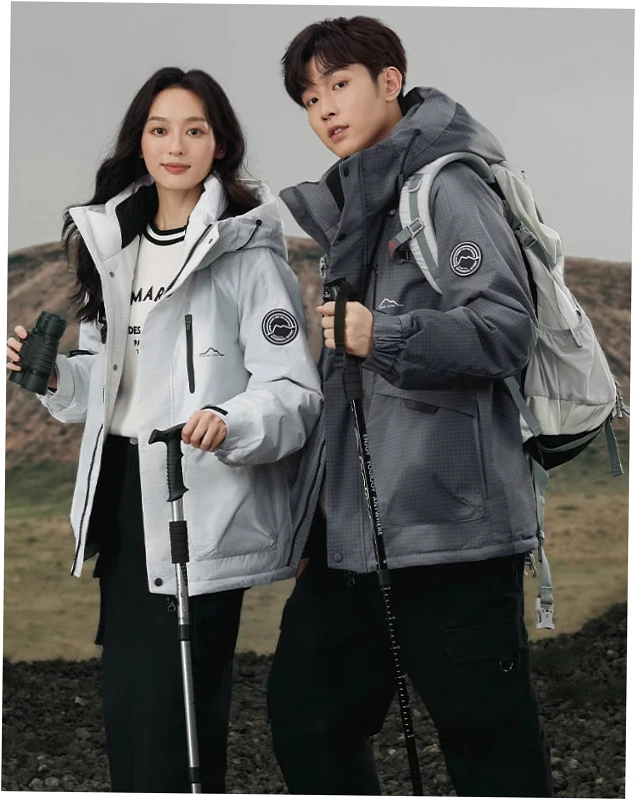
Any exposed skin is the weakest link at these temperatures, and wind makes ice crystals bite harder. A merino or fleece balaclava covers your face and neck without fogging goggles as badly as a loose scarf, and a helmet liner stops drafts at the crown. Some skiers tape their nose and cheeks. Chapstick matters too, because cold air chaps skin fast.

Core Temperature and the Legs
Legs generate heat and lose it on the chairlift, which is why insulated ski pants matter more than most beginners expect. Wool leggings plus a shell is a solid start; add light fleece pants if you sit still often. Padded shorts, once a niche item, solve the classic cold-seat problem. Layer your legs for movement, not maximum bulk, or you will overheat on the descent.
Mistakes That Ruin Cold Ski Days
Overdressing and the Sweat Penalty
Dressing too warmly is the most common cold-day error, and it backfires slowly: you sweat on the climb, then freeze on the lift. You should feel slightly cool during the first five to ten minutes and warm up as you move. If you finish a run soaked, remove a layer. Venting heat matters more than maximum insulation.
Tight Boots and Restricted Blood Flow
Bucking your boots too tightly kills circulation and guarantees cold feet, no matter how good your socks are. Thick socks in a snug boot make it worse by compressing your foot. Start with warm boots — a hot water bottle or a hair dryer helps — and buckle firmly but not aggressively. Relieve pressure at the lodge before your toes go fully numb.
Ignoring Frostbite Warning Signs
Frostbite starts as numbness, then waxy, pale, or hard skin you cannot feel. Wind chill at 10°F with a strong gust drops the effective temperature fast, and exposed skin becomes dangerous within minutes. If a patch goes white and numb, get inside immediately and warm it gradually with body heat. Knowing when to stop is a skill, not cowardice.
A Practical Plan for 10 Degree Days
The Three-Run, Ten-Minute Rule
My cold-day rhythm is simple: three runs, then at least ten minutes inside. You start warm, get warmer from working, and by the third run the cold starts winning. A lodge break that forces you to remove gloves and unzip lets your body regulate again. Then repeat. This pattern keeps you skiing all day instead of enduring one miserable morning.
Fuel, Warm Starts, and Smart Breaks
Your body generates heat, but only if it has fuel. Eat something every 45 minutes or so — peanut candies in an outside pocket work because they do not freeze solid. Start with warm boots, warm gloves, and a warm core. On brutally cold days, ski the protected sides of trails, take more frequent breaks, and swap damp socks or liners when you stop.
Equipment fails more readily in extreme cold, and lifts slow or close when it drops too far. Skiing near the edge of the trail, where trees block wind, buys real comfort. Know your exit plan: if you were injured in the backcountry, could you stay warm for thirty to forty-five minutes? If the honest answer is no, stay on groomed terrain and keep the lodge within reach.
| Body Area | Layer 1 | Layer 2 | Outer or Accessory |
|---|---|---|---|
| Torso | Merino base | Down jacket | Windproof shell |
| Legs | Merino leggings | Fleece pants | Insulated shell pants |
| Hands | Silk liner | Wool liner | Leather mitten plus warmer |
| Head | Balaclava | Helmet liner | Helmet and goggles |
| Feet | Thin wool sock | Toe warmer | Pre-warmed boots |
FAQ: Skiing in 10 Degree Weather
Is 10 degrees Fahrenheit too cold to ski?
No — 10°F (about -12°C) is a genuinely good temperature for skiing if you gear up properly. The snow stays fast and dry, crowds thin out, and ice is minimal. The real risk is exposed skin and wind chill, not the number itself. Dress in layers, cover every inch of skin, and take frequent breaks.
How many layers should I wear skiing at 10 degrees?
Most skiers do well with three on the torso: a merino base layer, an insulating mid layer like down or fleece, and a windproof shell. Anyone who runs cold can add a second wool base. Legs usually need wool leggings plus insulated shell pants. The number matters less than the system — adjust it as you go.
Should I wear mittens or gloves at 10 degrees?
Mittens generally win because your fingers share warmth instead of losing heat separately. Wear a thin liner glove underneath for dexterity and extra insulation, then a wool-lined mitten over it. Add a hand warmer if you tend to run cold. Gloves are fine for short lifts, but mittens are the safer bet below 15°F.
Why are my feet always cold when I ski in 10 degree weather?
Usually it is circulation, not insulation. Over-tight boots, thick socks that compress your foot, and cold boots at the start all restrict blood flow. Buckle firmly but not aggressively, wear thinner wool socks, warm your boots before heading out, and add toe warmers. If you can wiggle your toes, you are probably fine.
Can I ski without a balaclava at 10 degrees?
You can, but exposed skin becomes painful and risky fast once the wind picks up. A balaclava, or a helmet liner plus a neck gaiter, covers your face and neck without fogging goggles. At minimum, protect your nose, cheeks, and chin. Wind chill at 10°F can push the effective temperature into dangerous territory within minutes.
How do I know if I am overdressed for a cold ski day?
If you finish a run with a sweaty back, or you feel hot on the lift, you wore too much. You should feel slightly cool during the first five to ten minutes and warm up as you move. Open your vents, remove a mid layer, and store it in your pack. Sweat is the enemy that turns into a chill.
Are heated socks and vests worth it for extreme cold?
For people who get cold easily or ski in brutal New England conditions, they can be genuinely worth the investment. Battery-powered socks, vests, and gloves keep hands and feet functional when ordinary layering fails. They are not essential, but they extend your comfortable range significantly. Buy brands with replaceable batteries.
These recommendations reflect general cold-weather practice and my own experience on the mountain; individual tolerance, elevation, and local wind exposure vary widely. Always check the day’s forecast and mountain advisories, and consult ski patrol or a qualified instructor if you are unsure about extreme conditions.

Leave a Reply